Introduction
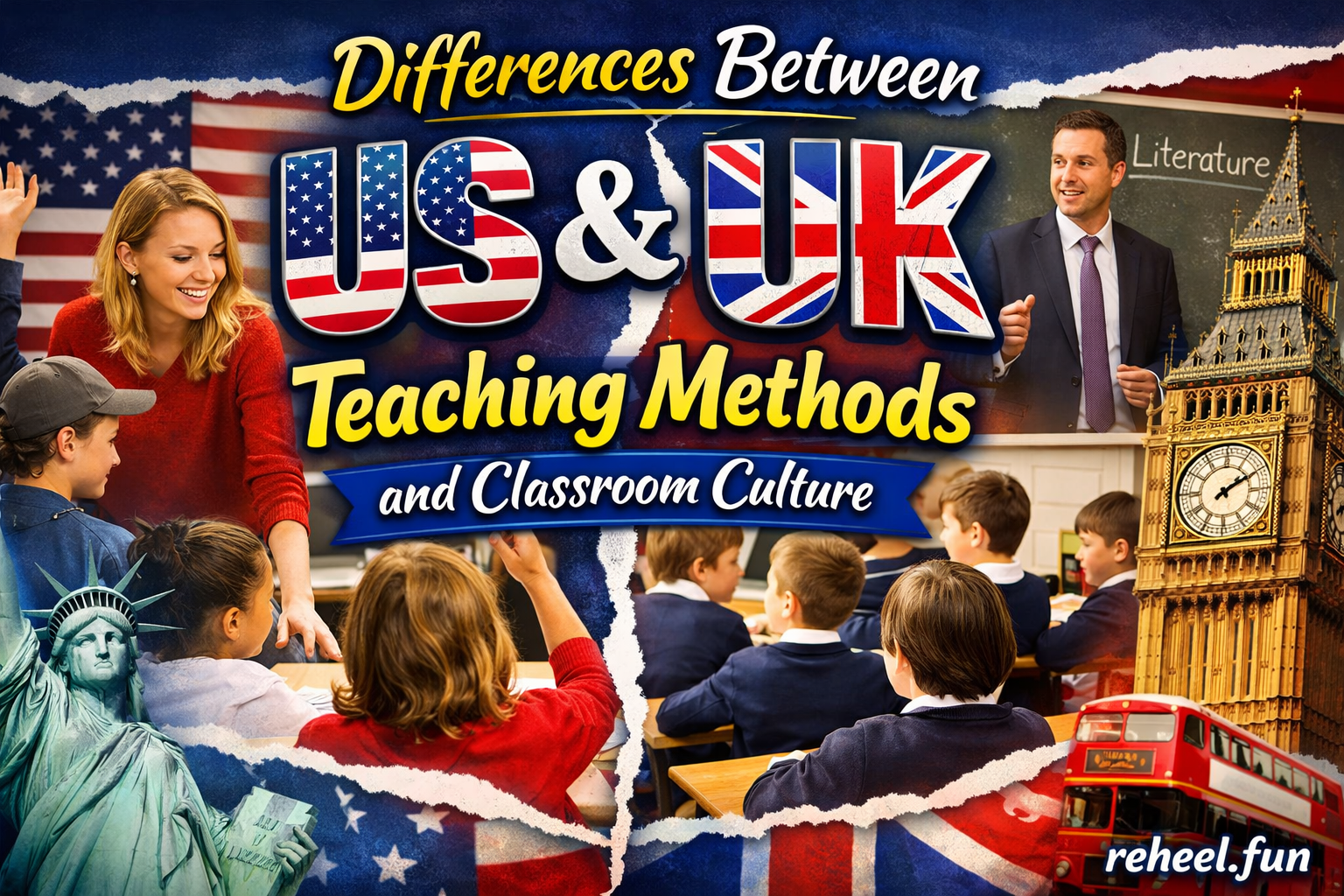
Education systems around the world differ not only in structure but also in the way teaching is delivered and how students interact with teachers and classmates. The United States and the United Kingdom both have highly respected education systems, but their teaching methods and classroom cultures can be quite different.
These differences influence how students learn, participate in class, and develop academic skills. Understanding these variations can help international students adjust more easily when studying in either country.
While both the US and UK focus on high academic standards, their approaches to teaching, classroom interaction, and assessment methods often reflect different educational philosophies.
Classroom Environment in the United States
Classrooms in the United States are usually known for their interactive and student-centered environment. Teachers encourage students to actively participate in discussions, ask questions, and express their opinions.
Students are often expected to share ideas during class discussions and work collaboratively with classmates on projects and assignments. Group work and presentations are common in many American classrooms.
The goal of this teaching approach is to create an engaging learning environment where students feel comfortable contributing their thoughts and ideas.
Teachers often act as facilitators who guide discussions rather than simply delivering lectures. This approach encourages creativity, critical thinking, and confidence in communication.
Classroom Culture in the United Kingdom
In the United Kingdom, classroom culture can sometimes appear more formal, especially in earlier stages of education. Students are expected to focus carefully on lectures and take detailed notes.
However, UK universities also emphasize discussion and academic debate, particularly during seminars and tutorials. These smaller group sessions allow students to analyze topics in depth and exchange ideas with their professors and classmates.
British education places strong importance on independent thinking and personal responsibility. Students are expected to read academic materials, conduct research, and develop their own arguments based on evidence.
While lectures provide the foundation of knowledge, much of the learning happens through independent study.
Teaching Styles and Learning Approaches
The teaching styles in the United States and the United Kingdom reflect different educational traditions.
In the United States, the learning approach often includes a combination of lectures, group activities, projects, and continuous assessments. Teachers frequently provide feedback to help students improve throughout the course.
Students may also have opportunities to choose elective subjects that allow them to explore different areas of interest.
In contrast, the UK teaching approach often focuses more on subject specialization and academic depth. Students concentrate heavily on their chosen field of study and engage in detailed academic analysis.
University courses in the UK often involve fewer classroom hours but require significant independent reading and research outside the classroom.
Assessment Methods
Another key difference between the US and UK education systems is the way students are assessed.
In the United States, assessment is usually continuous. Students may receive grades based on multiple activities throughout the semester, including:
- Homework assignments
- Quizzes and tests
- Group projects
- Presentations
- Class participation
This system allows students to demonstrate their understanding in different ways and receive regular feedback.
In the United Kingdom, assessment is often more focused on final examinations and major assignments. Essays, research papers, and final exams can carry significant weight in determining a student’s final grade.
Because of this structure, students in the UK must manage their time carefully and prepare thoroughly for major assessments.
Student–Teacher Relationships
The relationship between students and teachers also differs slightly between the two countries.
In the United States, students often interact closely with their professors. Many instructors encourage students to visit during office hours to ask questions or discuss academic topics.
Professors may also communicate with students through emails, online discussion platforms, and mentoring programs.
In the United Kingdom, interactions between students and professors can sometimes be more formal, although this varies by institution.
However, tutorial systems in many UK universities allow students to receive personalized academic guidance from experienced faculty members.
These sessions often involve detailed discussions about coursework, research ideas, and academic progress.
Role of Technology in Classrooms
Technology has become an important part of modern education in both the United States and the United Kingdom.
American classrooms often integrate digital learning tools such as online platforms, virtual discussions, and multimedia presentations.
Students may submit assignments online, access digital course materials, and participate in interactive learning activities.
UK universities also use technology to support learning through digital libraries, virtual learning environments, and online academic resources.
Technology helps students access information quickly and collaborate with classmates more effectively.
Independent Learning and Critical Thinking
Both education systems emphasize critical thinking, but the way students develop these skills may differ.
In the United States, critical thinking is often developed through classroom discussions, debates, and collaborative learning activities.
Students are encouraged to challenge ideas, present arguments, and explore different perspectives.
In the United Kingdom, critical thinking is often developed through independent research and academic writing.
Students must analyze complex topics, evaluate evidence, and present well-structured arguments in essays and research papers.
Both approaches aim to prepare students for professional careers where analytical thinking and problem-solving skills are essential.
Advantages of Both Teaching Methods
Each teaching approach offers unique benefits for students.
The American teaching style promotes active participation, teamwork, and communication skills. Students learn to collaborate with others and express their ideas confidently.
The British approach emphasizes deep academic understanding and independent learning. Students develop strong analytical skills and the ability to conduct detailed research.
Students who experience either system gain valuable knowledge and skills that can benefit them in academic and professional environments.
Conclusion
The teaching methods and classroom cultures in the United States and the United Kingdom reflect different educational traditions and philosophies.
American classrooms tend to be more interactive and discussion-based, while British education often emphasizes academic depth and independent study.
Despite these differences, both systems aim to help students develop critical thinking skills, academic knowledge, and professional abilities.
For international students, understanding these teaching styles can make it easier to adapt to new learning environments and succeed in their academic journeys.
Ultimately, both the US and UK education systems provide valuable learning experiences that prepare students for successful futures in an increasingly globalized world.